

Mutual Fund Investment Guide
Investing your money wisely is one of the most effective ways to achieve financial freedom. However, many beginners hesitate because they are unsure where to start. If you’re looking for a simple, practical, and reliable Mutual Fund Investment Guide, you’ve come to the right place.
This Mutual Fund Investment Guide will help you understand what mutual funds are, how they work, their benefits, different types, potential risks, and the best strategies for maximizing your returns. Whether you’re a first-time investor or someone looking to improve your investment knowledge, this guide will provide valuable insights to help you make informed decisions. For more guidance go to GROW !!
What Is a Mutual Fund in Details ?
A mutual fund is a professionally managed investment vehicle that pools money from multiple investors and invests it in assets such as stocks, bonds, money market instruments, or a combination of these securities.
Instead of purchasing individual stocks or bonds yourself, you invest in a mutual fund, and an experienced fund manager makes investment decisions on your behalf.
This Mutual Fund Investment Guide is designed to simplify the investment process so that anyone can understand how mutual funds contribute to long-term wealth creation.

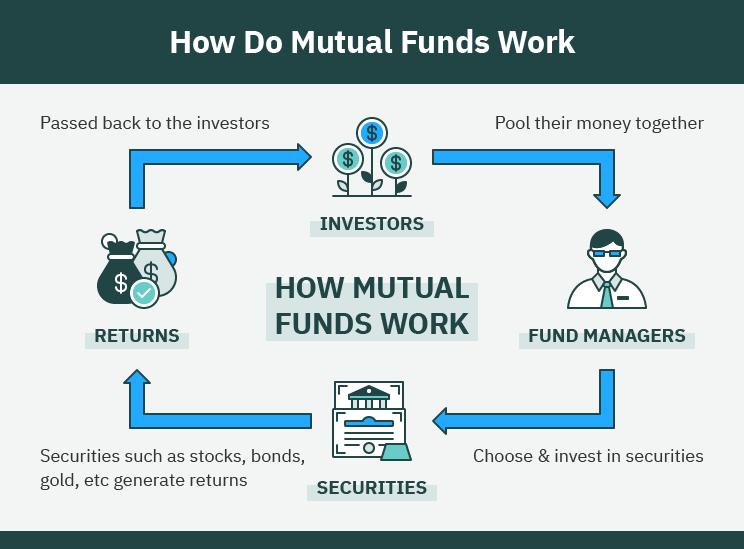
How Does a Mutual Fund Work?
Understanding how mutual funds work is essential before making your first investment.
Here’s the process:
- Investors contribute money to a mutual fund.
- The fund manager collects all investments into a single portfolio.
- The portfolio is invested across different financial assets.
- Returns are generated based on the market performance of these investments.
- Investors receive returns proportional to the number of units they own.
Following this Mutual Fund Investment Guide will help you understand why diversification is one of the biggest strengths of mutual fund investing.
Why Should You Invest in Collective Investment ?
There are several reasons why millions of investors prefer mutual funds over investing directly in stocks.
Professional Fund Management
Experienced fund managers continuously analyze markets and select investments that match the fund’s objectives.
Diversification
Mutual funds spread investments across multiple companies and industries, reducing overall investment risk.
Affordable Investment Option
You don’t need a large amount of money to begin. Many mutual funds allow investments with small monthly contributions.
High Liquidity
Most open-ended mutual funds allow investors to redeem their units whenever needed.
Long-Term Wealth Creation
When invested consistently over several years, mutual funds have the potential to generate attractive long-term returns.
This Mutual Fund Investment Guide recommends considering long-term investing rather than trying to predict short-term market movements.
Types of Mutual Funds
Understanding the different categories is an important part of every Mutual Fund Investment Guide.
1. Equity Mutual Funds
These funds invest primarily in company shares and aim for long-term capital appreciation.
Suitable for:
- Long-term investors
- Young professionals
- Wealth creation
2. Debt Mutual Funds
Debt funds invest mainly in government securities, treasury bills, and corporate bonds.
Suitable for:
- Conservative investors
- Stable returns
- Lower risk investments
3. Hybrid Mutual Funds
Hybrid funds combine equity and debt investments to balance risk and returns.
Suitable for:
- Moderate-risk investors
- Beginners
- Balanced portfolios
4. Index Funds
Index funds track a market index instead of actively selecting stocks.
Advantages include:
- Low expense ratio
- Passive investing
- Broad diversification
5. ELSS Mutual Funds
Equity Linked Savings Schemes (ELSS) offer tax benefits while investing mainly in equities.
These funds are suitable for investors seeking both tax savings and long term.


Benefits of Investing Through SIP
One of the most recommended strategies in every Mutual Fund Investment Guide is investing through a Systematic Investment Plan (SIP).
Advantages include:
Rupee Cost Averaging
You purchase more units when prices are low and fewer units when prices are high.
Disciplined Investing
Monthly investments help build financial discipline.
Power of Compounding
Your investment earnings generate additional earnings over time, helping your wealth grow faster.
Flexible Investment Amount
You can start with relatively small monthly investments and gradually increase them.
Lump Sum vs SIP Investment
Many beginners wonder which option is better.
SIP
Best for:
- Salaried individuals
- New investors
- Long-term investing
Lump Sum
Suitable when:
- You have a large amount available.
- Market conditions are favorable.
- You have a long investment horizon.
Most financial experts recommend SIPs because they reduce the impact of market volatility.
Risks of Mutual Fund Investing
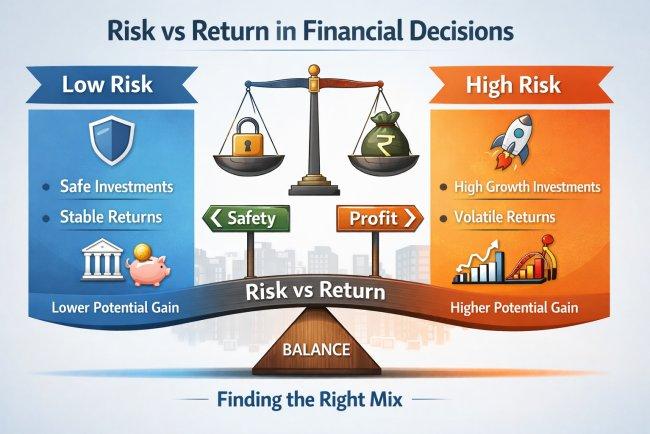
Although mutual funds are professionally managed, they still involve investment risks.
Some common risks include:
Market Risk
The value of investments can fluctuate with market conditions.
Interest Rate Risk
Debt funds may be affected by changes in interest rates.
Credit Risk
Some debt securities may carry the risk of default.
Inflation Risk
Returns may not always outpace inflation.
A balanced Mutual Fund Investment Guide always emphasizes understanding these risks before investing.

How to Choose the Right Mutual Fund
Selecting the right mutual fund requires careful analysis.
Consider the following:
Investment Goals
Determine whether your goal is:
- Retirement
- Education
- Buying a house
- Wealth creation
- Emergency fund
Risk Appetite
Choose investments based on your comfort with market fluctuations.
Fund Performance
Review long-term historical performance rather than focusing only on recent returns.
Expense Ratio
Lower expenses can improve your overall investment returns over time.
Fund Manager Experience
Experienced fund managers often have well-established investment strategies.
Common Mistakes to Avoid
This Mutual Fund Investment Guide would be incomplete without discussing common investor mistakes.
Avoid these errors:
- Investing without financial goals
- Expecting quick profits
- Frequently switching funds
- Ignoring portfolio diversification
- Investing based on rumors
- Panic selling during market corrections
- Not reviewing investments periodically
Tips for Successful Mutual Fund Investing
To maximize long-term returns:
- Start investing as early as possible.
- Invest consistently through SIPs.
- Diversify your portfolio.
- Stay invested for the long term.
- Increase SIP amounts whenever your income grows.
- Review your portfolio annually.
- Avoid emotional investment decisions.
Following these principles can significantly improve your investment outcomes.

Who Should Invest in Mutual Funds?
Mutual funds are suitable for:
- First-time investors
- Salaried employees
- Business owners
- Students starting their investment journey
- Parents planning for children’s education
- Individuals preparing for retirement
- Long-term wealth builders
Regardless of your income level, this Mutual Fund Investment Guide shows that mutual funds can be a valuable part of a diversified financial plan.
Frequently Asked Questions
Are mutual funds safe?
Mutual funds are regulated investment products, but their value can rise or fall depending on market performance. Diversification and long-term investing can help manage risk.
How much money do I need to start?
Many mutual funds allow investors to begin with a relatively small monthly investment, making them accessible to beginners.
Can I withdraw my investment anytime?
Most open-ended mutual funds allow redemptions at any time, although some funds may have exit loads or lock-in periods.
Is SIP better than lump sum?
For most beginners, SIP is often preferred because it encourages disciplined investing and helps manage market volatility over time.
Conclusion
A well-planned investment strategy can help you achieve your financial goals with confidence, and mutual funds are one of the most accessible ways to begin. This Mutual Fund Investment Guide has covered the fundamentals—from understanding how mutual funds work to selecting the right fund and avoiding common mistakes.
Remember that successful investing is not about chasing quick profits. It is about consistency, patience, diversification, and staying focused on your long-term objectives. By applying the principles in this Mutual Fund Investment Guide, you can build a stronger financial future and work steadily toward lasting wealth creation.
Start with a clear goal, invest regularly, review your portfolio periodically, and let time and compounding work in your favor.
For more details contact us !!
Leave a Reply