Introduction
Imagine waking up in the morning and discovering that your money has earned money while you slept. This is the dream that attracts millions of investors toward Passive Income Investments. In today’s fast-paced world, relying solely on a salary can limit financial growth. That’s why smart investors are increasingly exploring Passive Income Investments to create additional streams of income and achieve financial independence.
Unlike active income, where you exchange time for money, Passive Income Investments allow your assets to work for you. Whether you’re a student, a working professional, or someone planning for retirement, understanding Passive Income Investments can transform your financial future.
flow of earnings while allowing investors to focus on other priorities.
What Are Passive Income Investments?
Passive Income Investments are assets that generate income with minimal ongoing effort. After the initial investment and setup, these investments continue producing returns without requiring daily management.
Examples include:
- Dividend-paying stocks
- Real Estate Investment Trusts (REITs)
- Index funds
- Bonds
- Rental properties
- Peer-to-peer lending
- Digital assets
The primary objective of Passive Income Investments is to create a steady flow of earnings

Why Passive Income Investments Matter
Many people work hard throughout their lives but struggle to build lasting wealth. Passive Income Investments help break this cycle by creating income streams that continue even when you’re not actively working.
Benefits include:
Financial Freedom
One of the biggest advantages of Passive Income Investments is financial independence. Additional income streams reduce reliance on a single source of earnings.
Wealth Creation
Over time, Passive Income Investments can compound significantly, turning modest investments into substantial wealth.
Reduced Financial Stress
Having multiple income streams provides stability during economic uncertainty or job loss.
Retirement Security
Many retirees rely heavily on Passive Income Investments to maintain their lifestyle without exhausting savings.
Best Passive Income Investments in 2026
1. Dividend Stocks
Dividend-paying companies distribute a portion of their profits to shareholders. These regular payments make dividend stocks one of the most popular Passive Income Investments.
Advantages:
- Regular income
- Potential capital appreciation
- Inflation protection
2. Index Funds
Index funds track market indices and provide diversified exposure to multiple companies. They are among the easiest Passive Income Investments for beginners.
Benefits:
- Low costs
- Diversification
- Long-term growth potential
3. Real Estate Investment Trusts (REITs)
REITs allow investors to participate in real estate without purchasing physical properties. These Passive Income Investments often provide attractive dividend yields.
4. Bonds
Government and corporate bonds generate predictable interest payments, making them stable Passive Income Investments.
5. Rental Properties
Real estate remains one of the most powerful Passive Incom
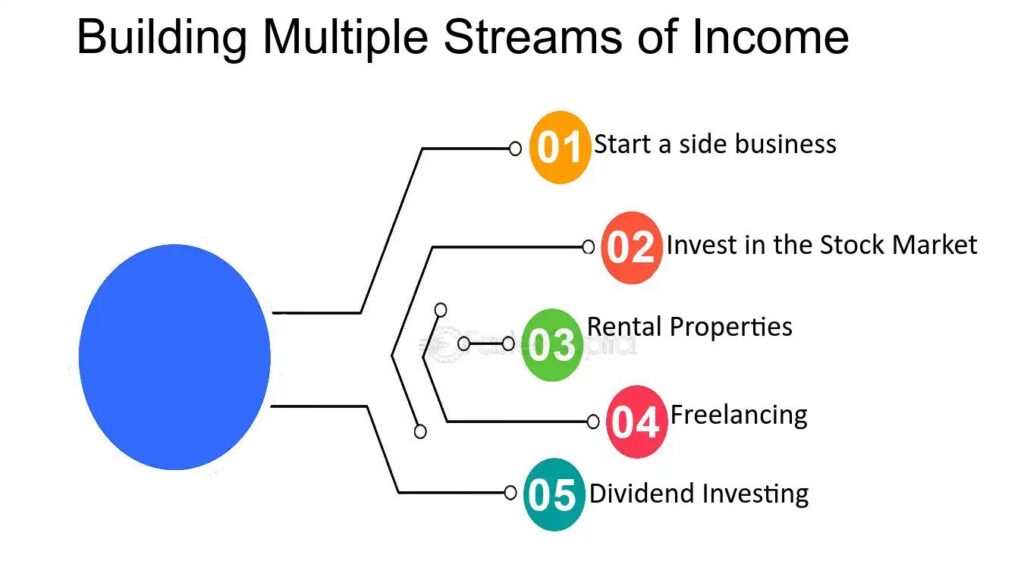
What Are Passive Income Investments?
Passive Income Investments are assets that generate income with minimal ongoing effort. After the initial investment and setup, these investments continue producing returns without requiring daily management.
Examples include:
- Dividend-paying stocks
- Real Estate Investment Trusts (REITs)
- Index funds
- Bonds
- Rental properties
- Peer-to-peer lending
- Digital assets
The primary objective of Passive Income Investments is to create a steady flow of earnings

Common Mistakes to Avoid
Many investors fail because they approach Passive Income Investments incorrectly.
Avoid:
- Chasing unrealistic returns
- Ignoring diversification
- Investing emotionally
- Neglecting research
- Focusing only on short-term gains
Successful Passive Income Investments require patience and discipline.
What Are Passive Income Investments?
Passive Income Investments are assets that generate income with minimal ongoing effort. After the initial investment and setup, these investments continue producing returns without requiring daily management.
Examples include:
- Dividend-paying stocks
- Real Estate Investment Trusts (REITs)
- Index funds
- Bonds
- Rental properties
- Peer-to-peer lending
- Digital assets
The primary objective of Passive Income Investments is to create a steady flow of earnings

Passive Income Investments and Financial Freedom
Financial freedom means having enough income from investments to cover living expenses. The journey toward financial independence often begins with small, consistent investments.
As your portfolio of Passive Income Investments grows, your dependence on active income decreases. Eventually, your investments can generate enough income to support your lifestyle.
Future Trends in Passive Income Investments
Technology continues to create new opportunities for Passive Income Investments. Fractional investing, digital platforms, automated portfolios, and innovative financial products are making investing more accessible than ever.
Despite these advancements, traditional Passive Income Investments such as dividend stocks, index funds, and real estate remain highly effective.
Conclusion
Passive Income Investments offer one of the most practical paths toward long-term wealth and financial freedom. By creating multiple income streams, reducing financial stress, and harnessing the power of compounding, investors can build a more secure future.
Whether you begin with dividend stocks, index funds, REITs, bonds, or real estate, the key is consistency. Start small, invest regularly, and remain patient. Over time, Passive Income Investments can transform your financial life and help you achieve lasting prosperity.