
HELLFURY BLOG
Professional Trading Insights, Investment Strategies, Market Analysis, Wealth Building Tips, and Financial Education for Investors and Traders.
Latest Trading & Investment Articles
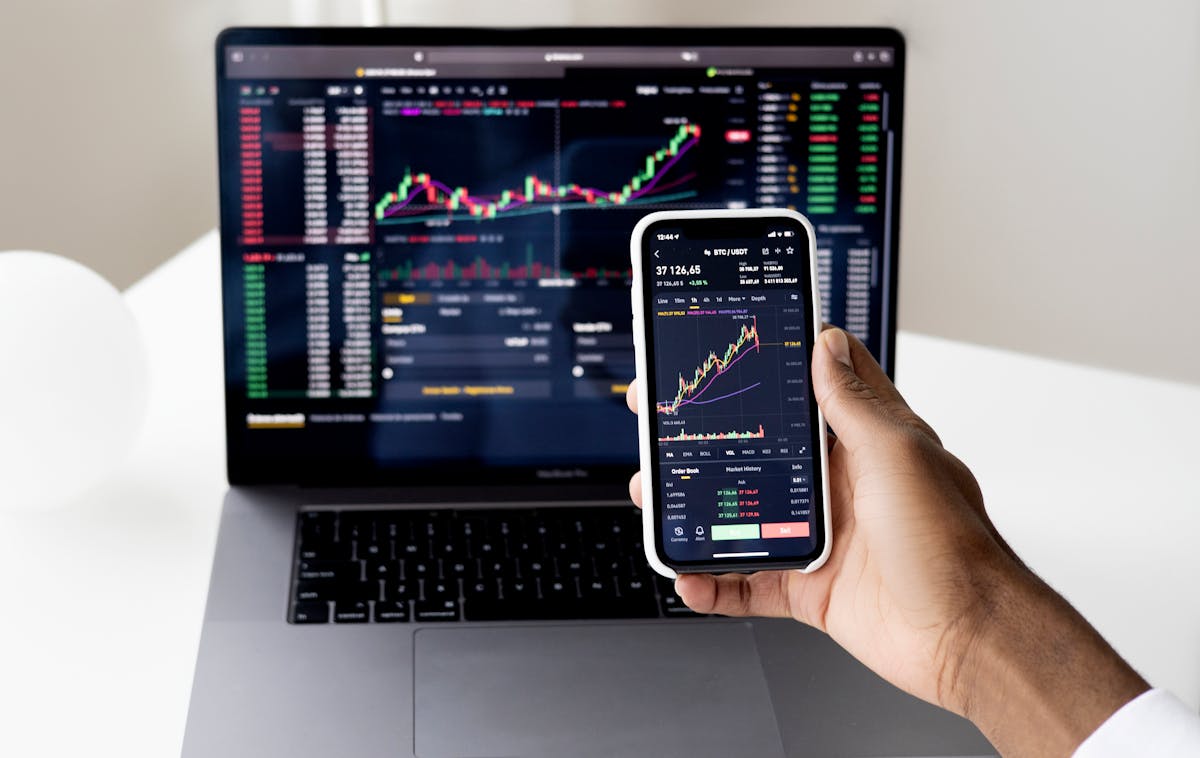
1. Beginner’s Guide to Stock Market Investing
Learn the foundations of successful investing and understand how the stock market creates wealth over time.
Many beginners enter the stock market hoping for quick profits. However, successful investors focus on long-term wealth creation. Understanding the basics of stocks, sectors, market capitalization, and risk management can significantly improve investment outcomes.
- Invest in quality companies.
- Diversify across sectors.
- Avoid emotional decisions.
- Focus on long-term growth.
- Review your portfolio regularly.
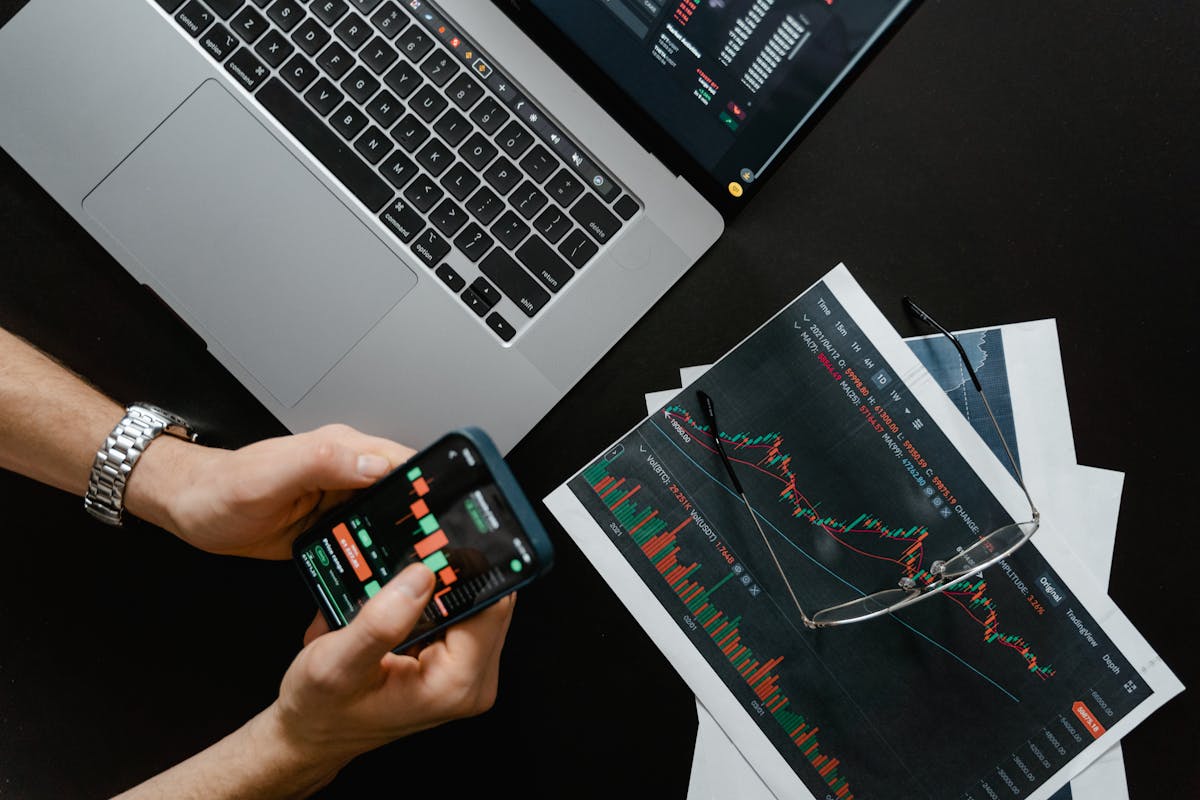
2. Top Trading Mistakes Every Beginner Should Avoid
Discover the common mistakes that cause new traders to lose money and learn how to avoid them.
The majority of beginner traders fail because they ignore risk management and allow emotions to influence their decisions. Understanding common mistakes can help preserve capital.
- Overtrading without a strategy.
- Ignoring stop losses.
- Following social media hype.
- Revenge trading after losses.
- Risking too much on one trade.

3. Risk Management: The Secret Weapon of Professionals
Protecting your capital is more important than chasing profits. Learn how professionals manage risk.
Professional traders understand that preserving capital is their first responsibility. Risk management helps traders survive difficult market conditions.
- Use stop losses.
- Never risk more than 1–2% per trade.
- Maintain a trading journal.
- Control emotions.
- Focus on consistency.
4. How to Analyze Stocks Like a Professional Investor
Master fundamental and technical analysis to make better investment decisions.
Stock analysis combines business evaluation and price analysis. Professional investors study both company performance and market sentiment.
- Study revenue growth.
- Review earnings reports.
- Check debt levels.
- Analyze support and resistance.
- Monitor trading volume.

5. Long-Term Investing vs Active Trading
Understand the differences between investing and trading to choose the right approach.
Long-term investing focuses on wealth creation over years, while trading seeks shorter-term market opportunities. Each strategy has its own benefits and risks.
- Investing requires patience.
- Trading requires active monitoring.
- Investors focus on fundamentals.
- Traders focus on price action.
- Both require discipline.
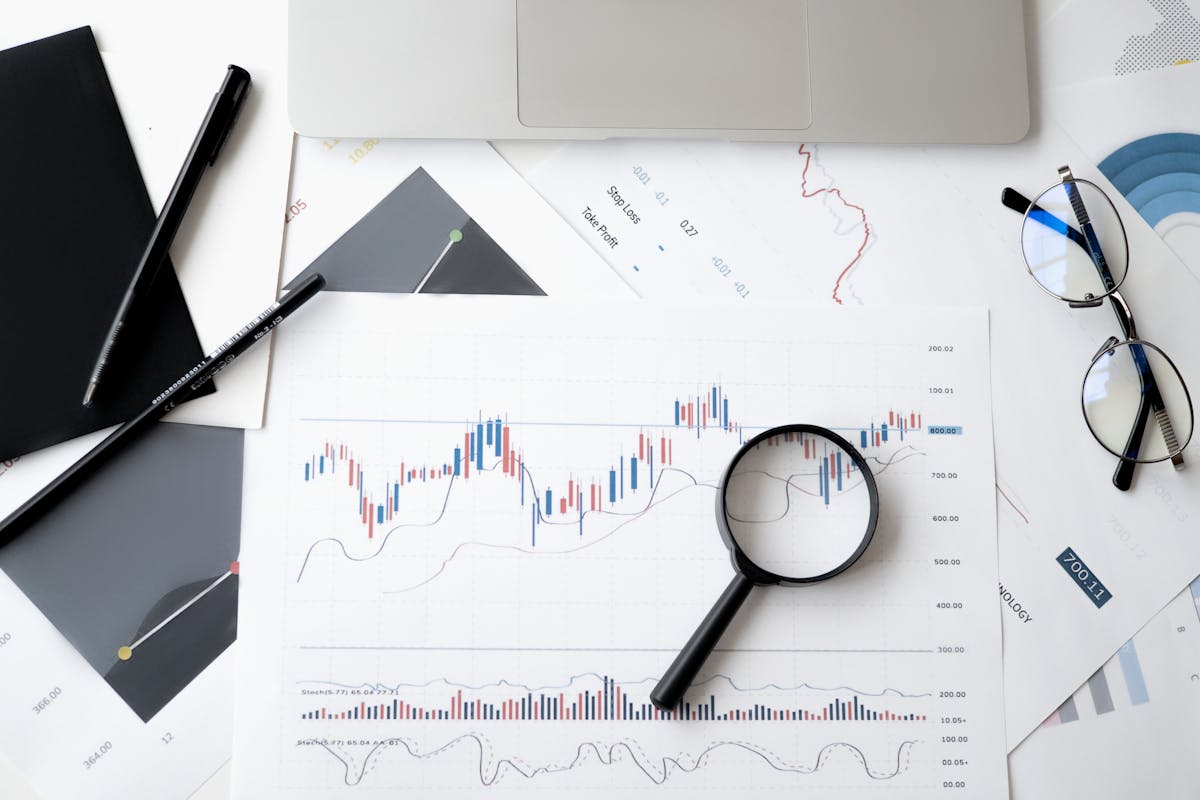
6. Understanding Market Trends for Better Decisions
Learn how market trends influence investment opportunities and trading performance.
Every market moves through trends. Identifying whether the market is in an uptrend, downtrend, or consolidation phase helps traders make informed decisions.
- Follow trend direction.
- Use moving averages.
- Avoid trading against strong momentum.
- Study market structure.
- Be patient during sideways markets.

7. Best Technical Indicators Every Trader Should Know
Discover powerful technical indicators that help improve market analysis.
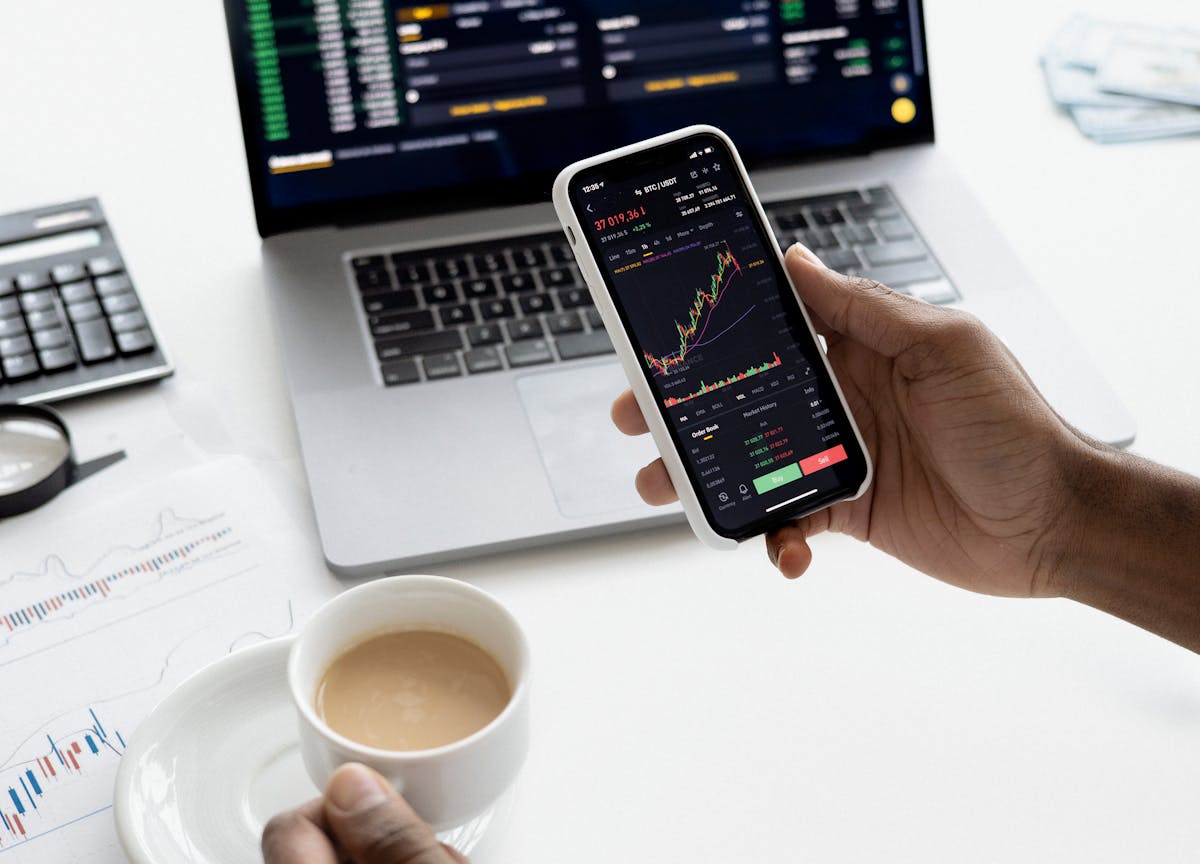
Indicators help traders understand momentum, trend strength, and possible reversal zones. Simplicity often works best.
- Moving Average (MA)
- Relative Strength Index (RSI)
- MACD Indicator
- Bollinger Bands
- Volume Analysis
8. Trading Psychology: Winning the Mental Game
Success in trading depends as much on mindset as strategy.
Even the best strategy can fail if emotions take control. Fear and greed often cause traders to make poor decisions.
- Control emotions.
- Follow your trading plan.
- Avoid impulsive decisions.
- Accept losses as part of trading.
- Stay disciplined and consistent.
9. Building a Diversified Investment Portfolio
Diversification is one of the most effective ways to reduce risk.
A diversified portfolio spreads investments across industries and asset classes, reducing dependence on a single investment.
- Invest across sectors.
- Balance growth and stability.
- Review allocations regularly.
- Reduce concentration risk.
- Think long-term.

10. Bull Markets vs Bear Markets Explained
Understand market cycles and learn how professionals adapt.
Bull markets are characterized by rising prices and optimism, while bear markets feature declining prices and uncertainty. Understanding both conditions helps investors prepare better.
- Bull markets reward growth investing.
- Bear markets require caution.
- Risk management becomes critical.
- Market cycles are natural.
- Opportunities exist in every phase.

11. Financial Planning for Long-Term Wealth Creation
A strong financial plan creates a roadmap toward financial freedom.
Financial planning helps investors stay focused on their goals while managing risks and opportunities effectively.
- Create clear financial goals.
- Maintain an emergency fund.
- Invest consistently.
- Review your progress annually.
- Stay disciplined.

12. How to Build an Effective Trading Plan
Every successful trader follows a structured trading plan.
A trading plan helps remove emotions and keeps decision-making consistent under different market conditions.
- Define entry criteria.
- Set profit targets.
- Determine stop losses.
- Track performance.
- Review and improve regularly.

13. How Economic News Impacts Financial Markets
Major economic events can significantly influence stock prices.
Interest rates, inflation reports, GDP growth, and employment data are among the most important factors affecting markets.
- Monitor economic calendars.
- Understand interest rates.
- Track inflation reports.
- Watch corporate earnings.
- Stay informed daily.

14. Wealth Building Habits of Successful Investors
Long-term wealth is often the result of consistent habits.
The world’s most successful investors focus on discipline, continuous learning, and long-term thinking.
- Invest regularly.
- Control spending habits.
- Read financial books.
- Think long-term.
- Stay patient.
15. The Future of Investing and Financial Markets
Technology is transforming how investors analyze opportunities.
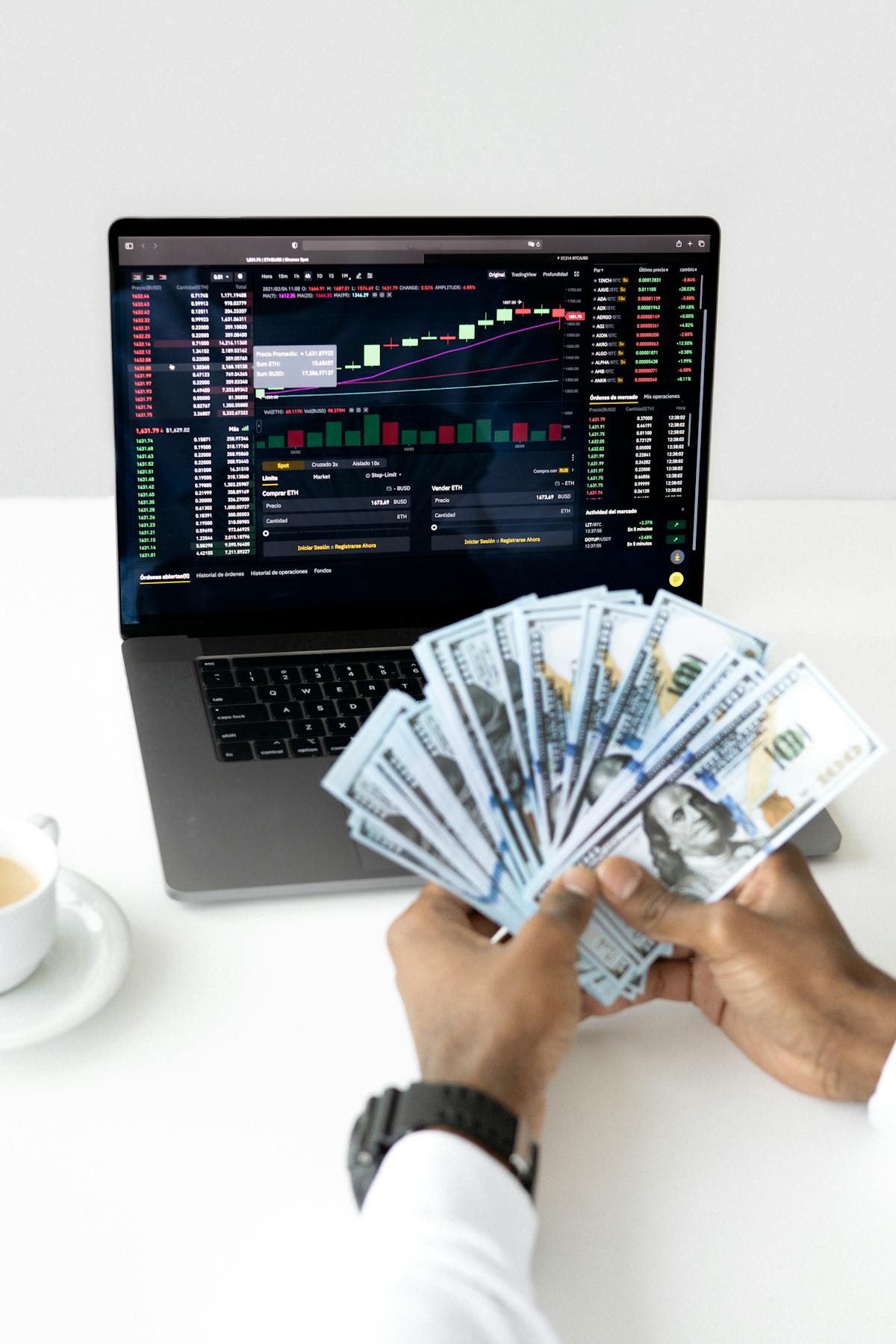
Artificial Intelligence, automation, and data analytics are changing investment strategies and market participation worldwide.
- AI-powered investing.
- Algorithmic trading.
- Real-time analytics.
- Global market access.
- Smarter investment decisions.